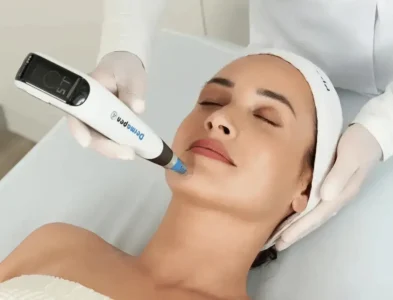
Microneedling aftercare is just aboust as important as the treatment itself. While the microneedling treatment causes the physical injury and trauma to the skin, the actual changes to your skin occur after the treatment when your skin is recovering. Proper aftercare plays a major role in protecting your skin, supporting the development of collagen, and promoting a healthy and successful recovery. If you have specific skin concerns when it comes to microneedling aftercare, this informative post on aftercare tips is for you!
Immediately after microneedling, you may see some redness (lighter skin tones) or darker shades (darker skin tones) on your treated skin. Your treated skin may feel like it’s sunburned, causing minor discomfort, burning, or swelling.
Why microneedling aftercare matters?
As you probably know, microneedling works by stimulating collagen and elastin production in the skin by creating controlled micro-injuries to the skin which triggers the body’s natural healing process. As a result, the skin barrier is broken temporarily, therefore improperly caring for your newly treated skin can potentially create skin irritation, prolong the healing time of your skin, and possibly create other undesirable side effects. Appropriate aftercare allows the body to heal naturally, reduces inflammation, and protects the damaged skin while collagen and elastin are being produced below the skin’s surface.
Your First 24 Hours – The Most Important Time Period
Following your microneedling session, your treated skin will likely have a reddened appearance and skin feels similar to a mild to moderate sunburn with slight swelling and sensitivity. Both of these symptoms represent the body’s natural healing response.
What to do in this stage:
• Keep the treated area of your skin away from touching and contamination as much as possible.
• Cleanse your skin with a mild cleanser as instructed (usually within several hours of treatment).
• Apply hyaluronic acid to your skin to help retain moisture and promote healing of your skin.
• Follow your post treatment routine to the letter as directed.
What Not to Do
• Avoid any type of direct sun exposure.
• Do not wear makeup to the treated area of your skin for this period.
• Avoid excessive sweating and strenuous exercise.
• Avoid heat such as hot tubs and saunas.
• Avoid all types of harsh skincare products including chemical peels, alpha-hydroxy-acids, beta-hydroxy-acids.
• Avoid using vitamin C, retinoids, and exfoliants. All of the above will protect your skin from irritation during its healing process.
Day 2-3 – Redness, Sensitivity, and Early Healing
At this point, redness will begin to fade but some residual redness may remain. The skin may also feel warm, tight, and slightly itchy due to the continued skin’s natural healing process.
Caring for Your Skin During This Stage
• Cleanse your skin with a gentle cleanser and avoid any type of scrubbing.
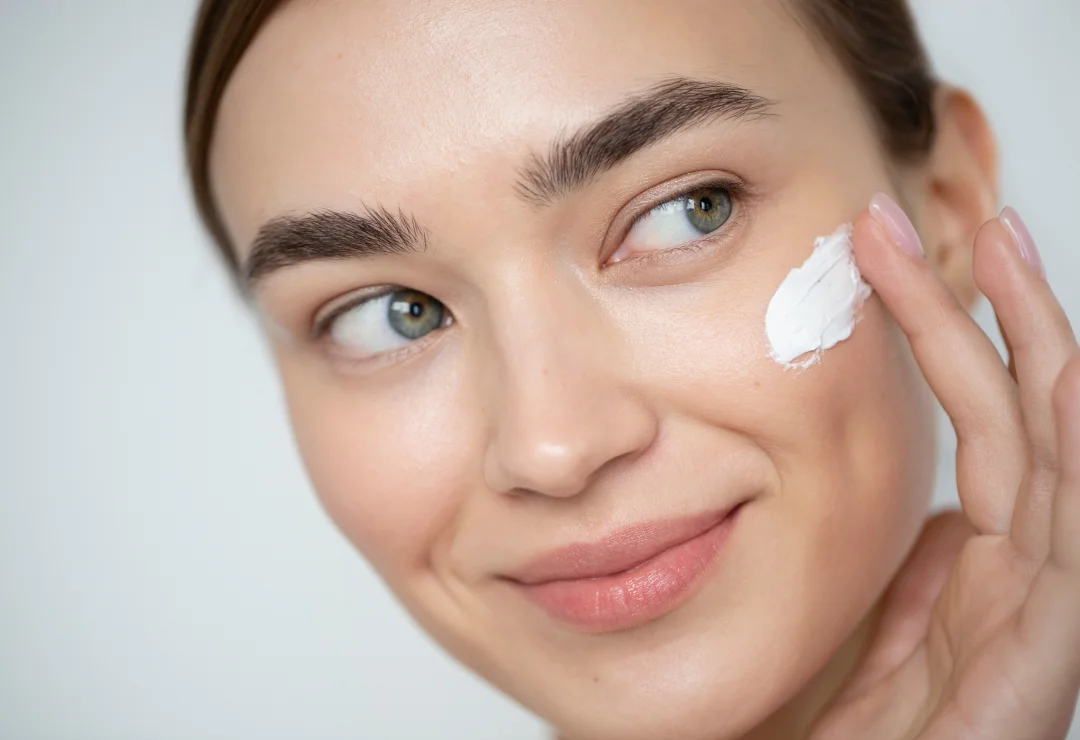
• Apply a gentle moisturizer and hydrating moisturizer to preserve the integrity of the skin barrier.
• Only use skincare products that were designated for post-treatment use.
• Maintain the hydration level of your skin throughout the day.
• Sun protection is still very important. If you need to go outside, apply a broad-spectrum sunscreen once permitted, preferably a mineral-based sunscreen or tinted sunscreen for sensitive skin. Protecting your skin from sun damage by sun exposure is always paramount.
Day 3-5 – Mild Flaking, Dryness, and Skin Regeneration
Light flaking, dryness, and a rough skin texture are typical signs of the skin regeneration process occurring during this stage. The shedding of old skin cells is continuing as newer skin cells come to the surface of your skin.
Important Instructions to Follow
• Do not pick or exfoliate your skin or exfoliating your skin as this can potentially irritate your skin and delay the healing process.
• continue to use hydrating moisturizers and hyaluronic acid serum to keep your skin hydrated.
• Unless cleared to do so, refrain from using makeup.
When you resume using makeup, avoid using makeup products that can clog pores. This is an important phase in the skin rejuvenation process, scar reduction and skin texture improvement.
Days 5–7 and Beyond: – Continued Support of Your Results
By now, the majority of the visual redness associated with the microneedling treatment has diminished and your skin appears smoother and brighter. The production of collagen and elastin will continue under the surface of your skin for weeks to months producing healthier, firmer, more radiant skin and optimal results in fine lines and acne scars.
Reintroduction of Products
Vitamin C and Retinoids should not be used for at least a week unless instructed otherwise. Continue to perform a simplified skincare routine focused on maintaining hydration and repairing the skin barrier. Daily sun protection will continue to support collagen and elastin production and provide additional protection against sun damage.
Special Considerations – PRP and Other Treatments
If Platelet Rich Plasma was utilized during your microneedling treatment, the aftercare may vary slightly. PRP utilizes growth factors to enhance the healing process and stimulate collagen production. In many instances, patients are told to leave the plasma on the skin for an extended amount of time post treatment to allow for optimal healing and stimulation of collagen production. Follow any specific aftercare guidelines given to you specifically for your microneedling treatment.
Factors That Can Interfere With The Body’s Healing Process
There are certain lifestyles that may impede the body’s natural healing and result in slower healing processes:
Exercise (over-exertion) and excessive sweating contribute to increased inflammation.
Alcohol use can dehydrate the skin and exacerbate swelling and inflammation.
Skin exposed directly to the sun may develop hyperpigmentation, affect results from the collagen induction therapy and potentially damage new collagen.
Adhering to a post-treatment regimen of rest, hydration and gentle skin care will aid in a successful recovery and promote desired results from your collagen induction therapy.
Most Common Mistakes in microneedling aftercare
Overusing harsh skin products too early in the post treatment process.
Using chemical peels or applying exfoliating acids too soon.
Not using sunscreen/sunscreen protection when outdoors.
Reverting back to your normal, pre-microneedling skin routine too quickly.
Not treating dryness/dry skin (to apply hydrating products).
Any of these errors can delay or hinder your body’s natural ability to heal from collagen induction therapy and minimize the overall effectiveness of this treatment.
Final points on aftercare for microneedling
The post-treatment care of microneedling as a popular cosmetic procedure is as important as the actual microneedling cosmetic treatment. Following the proper steps of the healing process will enable the body to heal efficiently in a natural way through its own mechanisms.
Proper post treatment care will support collagen and elastin formation, enhance the effects of reducing scarring, improve texture of the skin and produce lasting radiance. When performed properly, microneedling can be used safely to treat a variety of skin problems and create a smooth and successful recovery.
FAQ Microneedling aftercare
After treatment what should you do to keep your skin healthy?
You can help protect your skin, hydrate your skin, and keep your skin clean. Only use a gentle cleanser and a bland moisturizer that was suggested to you by your dermatologist or physician.
For the first 24-48 hours, what should you avoid doing?
Do not put on make-up. Try to limit exercise and activities that make you sweat. Do not take part in hot tubs, saunas, swimming pools, etc. Limit your consumption of alcohol. Do not touch or pick at the area treated.
How soon can you start washing your face after treatment?
You can wash your face after 12-24 hours with a gentle cleanser that is not an exfoliant and use warm/lukewarm water.
How soon can you start wearing make-up after treatment?
You can resume wearing make-up after 24-48 hours when the redness and irritation from the treatment has significantly decreased.
Is redness and swelling normal? How long will they last?
Yes, redness, tightness, and slight swelling are normal reactions to treatment that will usually subside in 24-72 hours.
Can you use active skincare products such as retinol, alpha-beta acids, and/or vitamin C?
No, for 5-7 days. Do not restart until your skin is completely calm and healed.
Are you required to use sunscreen?
Yes. Use a broad-spectrum sunscreen with a minimum of SPF 30 every day once your skin can tolerate it (usually within 24 hours), and stay out of the direct sunlight for at least 7 days.
What are good post-treatment products for your skin?
Choose simple, fragrance-free products that contain hyaluronic acid, ceramides, panthenol, etc. Do not choose products with alcohol or fragrances.